

In today’s image-conscious environment millions of people are concerned with skin issues such as rough texture, fine lines, sun damage, enlarged pores, and scarring. As aesthetic patients seek ways to restore smoother, clearer, and more youthful-looking skin, demand for professional resurfacing options continues to rise.
Addressing Wrinkles, Scarring, and Sun Damage with Laser Precision
Visible skin surface irregularities are very common and are often a natural sign of aging, environmental exposure, or lifestyle factors. Nearly half of all women and 20% of men cite wrinkles as being their main worry in terms of their appearance, with sun damage and acne scars coming a close second (YouGov). However, despite often being a natural phenomenon affecting a high proportion of the population, conditions such as wrinkles, acne scars and mild sun damage still affect confidence, with increasing numbers of patients seeking non-invasive skin resurfacing treatment.
While over-the-counter solutions and topical products provide limited benefits, non-surgical resurfacing treatments offer a more targeted, long-lasting approach. For many patients, improving skin texture and tone is now just as important as addressing wrinkles or pigmentation. Non-invasive technologies offer a path forward—providing clinicians with powerful tools to deliver visible improvements in skin quality without the downtime or risks of surgery.

Treatment Modalities
Practitioners today can choose from a diverse set of energy-based solutions for resurfacing the skin safely and effectively. These options include fractional laser resurfacing, broadband light systems, non-ablative laser modalities, and combined energy-based protocols designed to address multiple concerns simultaneously.
Fractional Laser Resurfacing
Fractional resurfacing remains a cornerstone in non-surgical skin renewal. This method uses concentrated beams of energy to create controlled micro-injuries in the skin, triggering a natural healing response. The result is accelerated cellular turnover and increased collagen production, leading to smoother, more even-textured skin. Fractional resurfacing is especially effective in improving:
- Acne scars and other surface-level scarring
- Fine lines and superficial wrinkles
- Coarse skin texture
- Enlarged pores
- Areas of sun-induced damage
Treatments can be customized in terms of depth and intensity, allowing clinicians to tailor protocols based on skin type, condition, and recovery tolerance.
Broad Spectrum Light Therapy
Broadband light systems, including IPL-based solutions, can support skin resurfacing by targeting discoloration and minor textural issues. While not as intensive as fractional lasers, these treatments stimulate regeneration and renewal by delivering pulses of light energy to the dermis.
Effective for:
- Photoaging and pigment-related texture changes
- Sun spots and mild skin roughness
- Early-stage collagen degradation
- Enhancing overall skin brightness and smoothness
Broad-spectrum light therapy is ideal for patients seeking gradual resurfacing results with minimal discomfort or downtime.
Non-ablative Laser Therapy
Non-ablative lasers work by heating the deeper layers of skin while leaving the surface intact. This approach stimulates collagen remodeling beneath the surface, improving texture and tone over time. Because the epidermis remains undamaged, recovery is minimal, making it well-suited for maintenance or as a preventative option.
Best suited for:
- Subtle texture irregularities
- Mild laxity and thinning skin
- Fine lines and early wrinkles
- Preserving skin smoothness with ongoing care
Non-ablative methods are also beneficial for patients who wish to begin resurfacing early to preserve skin quality and delay signs of aging.
Combination Energy-based Treatments
Combining resurfacing with technologies such as radio frequency, ultrasound, or thermal-based tightening offers a more comprehensive approach to skin quality. These treatment plans address both surface and structural concerns, enhancing results across multiple skin layers.
Combination therapies can improve:
- Surface texture along with firmness and tone
- Fine lines in delicate areas like around the eyes or mouth
- Global rejuvenation for dull, rough, or uneven skin
- Scarring and pigmentation irregularities when layered strategically
Custom protocols combining energy-based resurfacing with tightening modalities offer superior outcomes for patients looking for multi-dimensional rejuvenation.
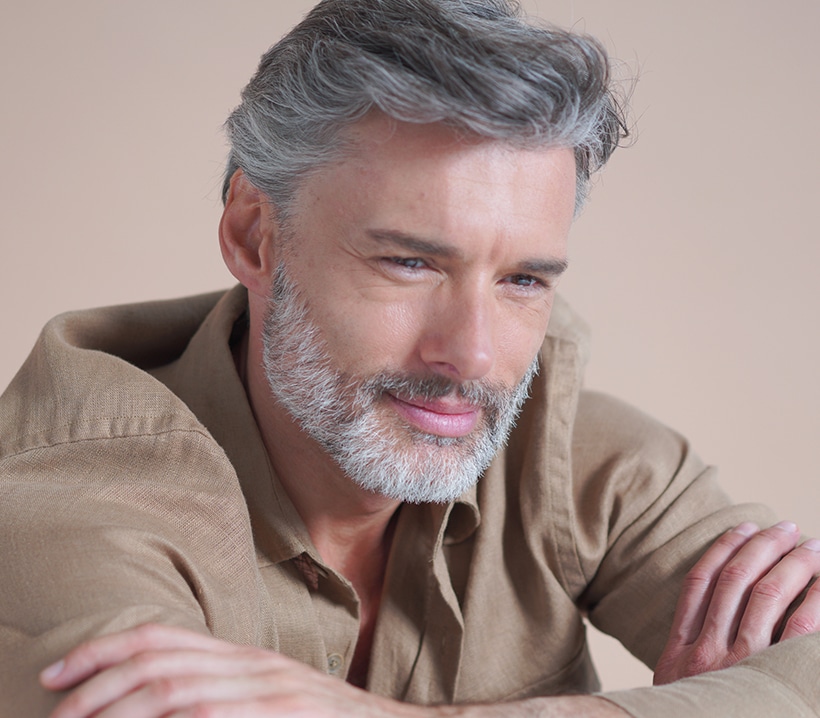

Non-invasive Skin Resurfacing – What it Means for You
As demand grows for effective, results-driven aesthetic procedures without surgery, non-invasive skin resurfacing has become a central focus in modern clinics. For practitioners, this presents several advantages:
- Capitalize on growing consumer awareness and demand for smoother, clearer skin
- Deliver strong clinical results without downtime or invasive techniques
- Introduce cash-based services with attractive ROI and high patient satisfaction
- Expand service menus with minimal disruption to operations or staffing
- Offer proactive, preventative solutions to support lifelong skin health
Whether targeting early signs of aging or improving the appearance of acne scars and sun damage, resurfacing treatments open new doors for both patient outcomes and clinic performance.

Non-invasive Skin Resurfacing – What it Means for Your Patients
Today’s aesthetic patient is informed, proactive, and prioritizing visible improvements that fit their lifestyle. Skin resurfacing offers a minimally invasive alternative to surgery, appealing to those seeking smoother, more youthful skin without needles, incisions, or extended recovery.
Patients are seeking:
- A non-surgical path to improved skin texture and clarity
- Natural-looking enhancements that unfold over time
- Minimal interruption to their daily schedule or professional commitments
- Safe, comfortable treatments tailored to their unique concerns
- Long-term skin improvement that complements skincare routines
Non-invasive resurfacing empowers individuals to feel more confident in their skin, without the stress or risk of more aggressive interventions.
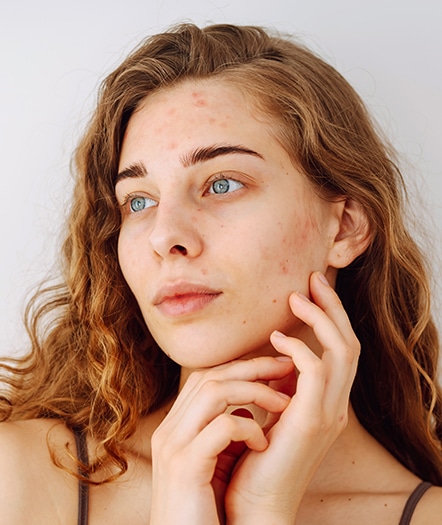
Non-surgical Skin Treatments
Resurfacing procedures are especially appropriate for patients experiencing:
- Rough or uneven skin texture
- Acne scarring or surgical scars
- Fine lines and superficial wrinkles
- Enlarged pores and oiliness
- Discoloration paired with textural damage
- General dullness or loss of vibrancy
Treatment plans can be customized for a range of skin types and concerns, with options suited to younger patients seeking early correction as well as mature skin in need of restoration.
Safety Considerations
Non-surgical resurfacing procedures are generally well-tolerated, but careful screening is essential. Not all technologies are suitable for every patient, especially those with:
- Active skin infections or open lesions
- Certain inflammatory skin conditions
- Recent exposure to photosensitizing agents
- Pregnancy or breastfeeding (depending on modality)
A thorough consultation and skin assessment should precede treatment. Customization of energy levels, frequency, and technique ensures both safety and efficacy across all Fitzpatrick skin types.

Want To Offer Your Patients More Options For Non-surgical Skin Resurfacing?
Customizable protocols, minimal downtime, and proven results, clinics can deliver high-value services aligned with what modern patients want most—effective, natural, and lasting results.
Explore how energy-based resurfacing technologies can help your clinic expand its treatment portfolio and meet the needs of today’s aesthetic patients.
Contact us
Explore how energy-based resurfacing technologies can help your clinic expand its treatment portfolio and meet the needs of today’s aesthetic patients.
Further Reading
-

Non-Surgical Skin Treatment
Safe, non-invasive skin treatments with proven laser technology, supporting clinic growth and meeting patient demand for visible results. -

Laser Treatment For Skin Damage
Non-invasive treatments for skin damage using advanced technology, ensuring precision, safety, and reliable patient outcomes. -
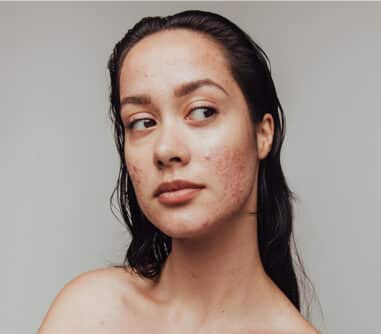
Laser Treatment for Acne Scars
Fractional non-ablative lasers for acne scars and PIH, providing effective treatments suitable for all skin types in clinical use. -

Laser Tattoo Removal
Laser tattoo removal with nanosecond and picosecond technology, providing clinics precise and safe treatment options.