

Sun exposure, aging, acne, and inflammation can all leave a lasting mark on the skin. In fact, over 40% of U.S. adults experience visible skin damage, including discoloration, wrinkles, and scarring. For aesthetic clinics, the demand for results-driven, non-surgical treatments has never been higher.
Scaling Your Services with Advanced Skin Rejuvenation Technology
Laser treatment for skin damage is among the most requested services in the US and beyond, offering effective and efficient options for clients seeking to rejuvenate and restore their skin without surgical downtime. As more Americans prioritize skin health and self-care, integrating laser treatments into your practice allows you to meet that demand with modern, scalable solutions.

Treatment Modalities
Clinicians now have the freedom to offer a range of impactful laser services to patients, with access to innovative technologies designed to treat a broad spectrum of skin damage. These treatment modalities include fractional lasers, broad-spectrum light devices, non-ablative thermal systems, and combination therapies featuring modalities such as Microplasma, HyGrid, and Impact ultrasound, allowing medical professionals to determine the most appropriate treatment method for their patients.
Broad Spectrum Light Therapy
Broad-spectrum technologies target pigmentation issues and restore even skin tone. These treatments are ideal for:
- Hyperpigmentation and melasma
- Laser treatment for sun damaged skin
- Mild skin discoloration and blotchiness
- Redness and superficial vascular lesions
Fractional Laser Resurfacing
Fractional lasers use pinpoint thermal energy to create micro-zones of controlled injury in the skin. This stimulates natural collagen regeneration and accelerates cellular renewal. It’s especially effective for:
- Fine lines and wrinkles
- Laser skin treatment for sun damage
- Surface-level scarring from acne or trauma
- Uneven skin tone and rough texture
- Enlarged pores
Non-ablative Laser Therapy
Non-ablative lasers penetrate beneath the skin’s surface to deliver targeted thermal energy without removing top layers. This approach helps with:
- Early signs of wrinkles and laxity
- Subtle tone and texture improvement
- Maintenance treatments for long-term skin health
- Prevention of future signs of aging
Combination Energy-based Treatments
Hybrid systems that combine laser, radiofrequency, and acoustic energy—such as those incorporating HyGrid, Impact, and Microplasma—provide enhanced, customizable results. These are effective for:
- Rejuvenation of photo-damaged skin
- Improving elasticity and firmness
- Full-face or full-body resurfacing
- Complex skin concerns requiring multimodal action


Non-Invasive Skin Treatment – What it Means for You
As a clinic owner or provider, integrating laser treatment for skin damage into your service portfolio offers key advantages:
- Addresses rising demand for aesthetic laser equipment and non-invasive procedures
- Highly profitable, cash-based service model
- Safe for a wide range of patients when proper skin type protocols are followed
- Scalable service that complements existing offerings
- Enhances your positioning in a growing $16B medical aesthetics market

Non-Surgical Skin Treatments – What it Means for Your Patients
Patients want visible results, without the risks or downtime of surgery. Skin damage laser treatment offers exactly that. With advanced technologies like Microplasma and HyGrid, patients can experience smoother texture, more even tone, and reduced signs of aging with treatments that fit into their busy schedules.
Here’s what patients value:
- No cutting, needles, or long recovery times
- Gradual, natural-looking improvements
- Effective options for laser treatments skin that are tailored to their needs
- Long-term benefits with consistent treatments
A proactive approach to sun damage, pigmentation, and early signs of aging
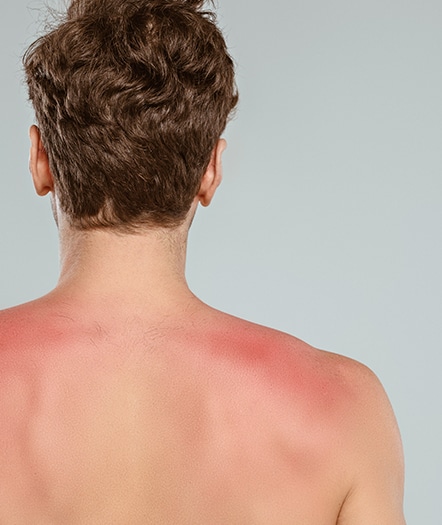
Non-surgical Skin Treatments
Laser treatment for damaged skin is suitable for clients with:
- Fine lines, early wrinkles, or crepey skin
- Sun damaged skin or photoaging
- Rough texture or enlarged pores
- Pigmentation issues, including age spots and melasma
- General tone and elasticity loss across body areas
With modern platforms, laser skin treatment for sun damage and other skin damage can be delivered safely on the body as well as the face, presenting new opportunities for full-body skin rejuvenation.
Safety Considerations
While generally safe and well-tolerated, laser treatment for skin damage may not be suitable for everyone. Patients with the following should undergo a comprehensive consultation: active infections or severe inflammation; autoimmune skin conditions; recent use of photosensitizing medications; history of keloid scarring; recent sunburns or chemical treatments
Selecting the right modality and wavelength for each Fitzpatrick skin type is critical. Technologies such as fractional non-ablative lasers and RF-based Microplasma are suitable for a broad range of patients and conditions when administered properly.

Take the Next Step in Offering Advanced Skin Rejuvenation
Laser treatment for skin damage is a powerful addition to any clinic’s service menu. With proven outcomes and versatile application, these technologies empower practitioners to offer customizable, results-driven care for a wide variety of patients.
Ready to expand your practice with evidence-based skin damage laser treatment?
Contact us
Ready to expand your practice with evidence-based skin damage laser treatment?
Further Reading
-

Non-Surgical Skin Treatment
Safe, non-invasive skin treatments with proven laser technology, supporting clinic growth and meeting patient demand for visible results. -
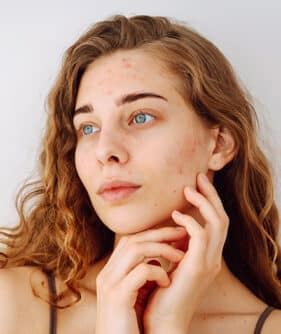
Laser Skin Resurfacing Treatment
Laser-based resurfacing treatments delivering consistent, reliable results for high-volume medical and aesthetic providers in the U.S. -
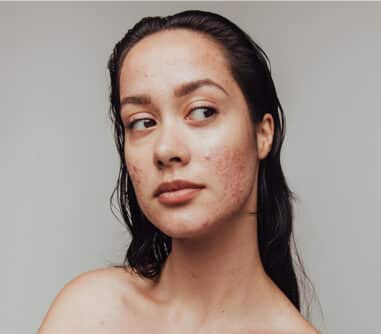
Laser Treatment for Acne Scars
Fractional non-ablative lasers for acne scars and PIH, providing effective treatments suitable for all skin types in clinical use. -

Laser Tattoo Removal
Laser tattoo removal with nanosecond and picosecond technology, providing clinics precise and safe treatment options.