Meeting Market Demand with Advanced Scar Reduction Technology
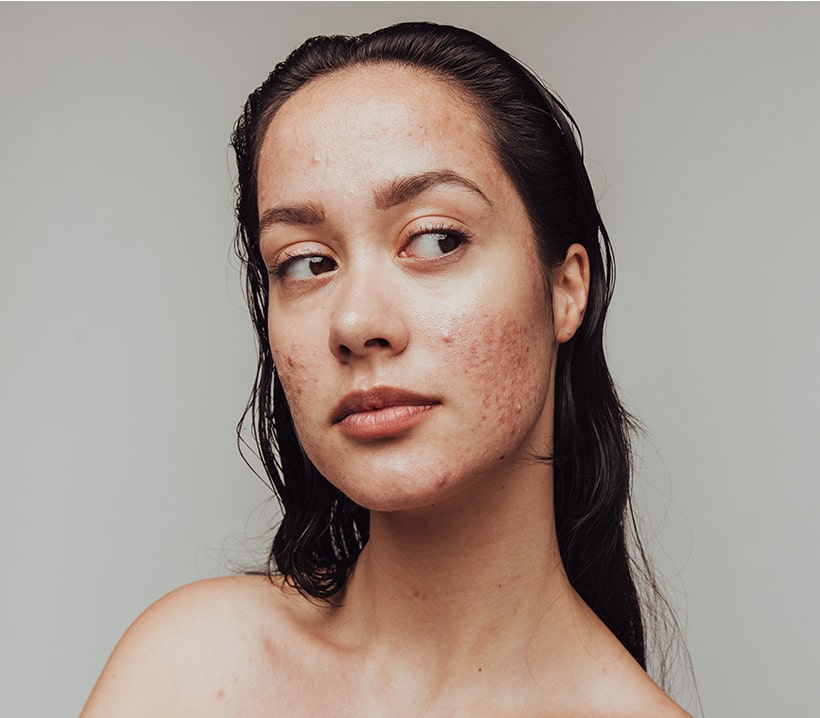
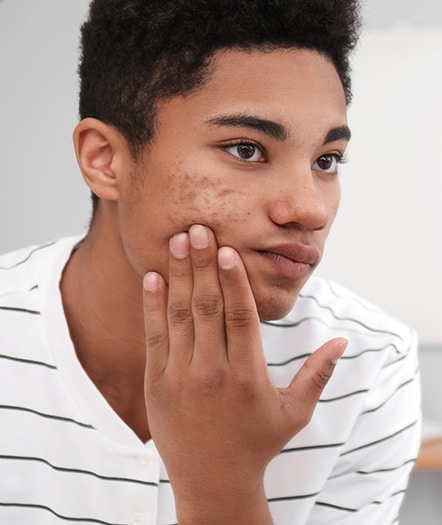
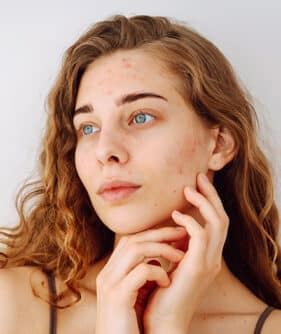
Acne scarring affects millions of people in the U.S., often long after active breakouts have resolved. Studies suggest that up to 90% of individuals with acne develop some degree of scarring, leading many to seek professional treatments to restore smoother skin and confidence.
Laser treatment for acne scars is one of the most requested procedures in aesthetic medicine today. By offering this service, clinics can provide patients with effective, non-surgical solutions that improve both skin texture and quality of life.

Treatment Modalities
Modern technologies give clinicians the ability to select the right approach for each patient. Today’s acne scar treatment devices include fractional ablative systems, non-ablative platforms, and picosecond lasers, each designed to stimulate collagen, remodel scar tissue, and improve skin tone.
Fractional CO2 Laser
Fractional CO2 laser resurfacing uses controlled micro-ablative beams to create columns of thermal injury in the skin. This triggers powerful collagen remodeling and skin resurfacing, making it highly effective for deep atrophic scars such as boxcar, rolling, and icepick scars.
Ideal for: significant texture changes and acne scars resistant to milder treatments
Non-ablative Fractional Laser
This modality delivers thermal energy beneath the skin’s surface without ablating the epidermis, making it safe across Fitzpatrick I–VI. By sparing the outer layer, downtime is minimized while still stimulating collagen and elastin production.
Ideal for: mild to moderate atrophic acne scars, texture refinement, and darker skin tones
Picosecond Laser
Picosecond lasers use ultra-short pulses that create a photomechanical effect, breaking apart scar tissue and stimulating dermal remodeling with minimal heat. They offer faster recovery with minimal downtime and are especially useful for treating both textural scars and post-inflammatory pigmentation.
Ideal for: patients with hyperpigmentation, erythema, or darker skin types